
In diesem Beitrag
Our experiences trekking in the Himalayas
If you are travelling to Nepal and planning a trek in the Himalayas, there is one topic you can hardly avoid: altitude sickness. Before our various treks, people often asked whether we were afraid of it and how you can protect yourself.
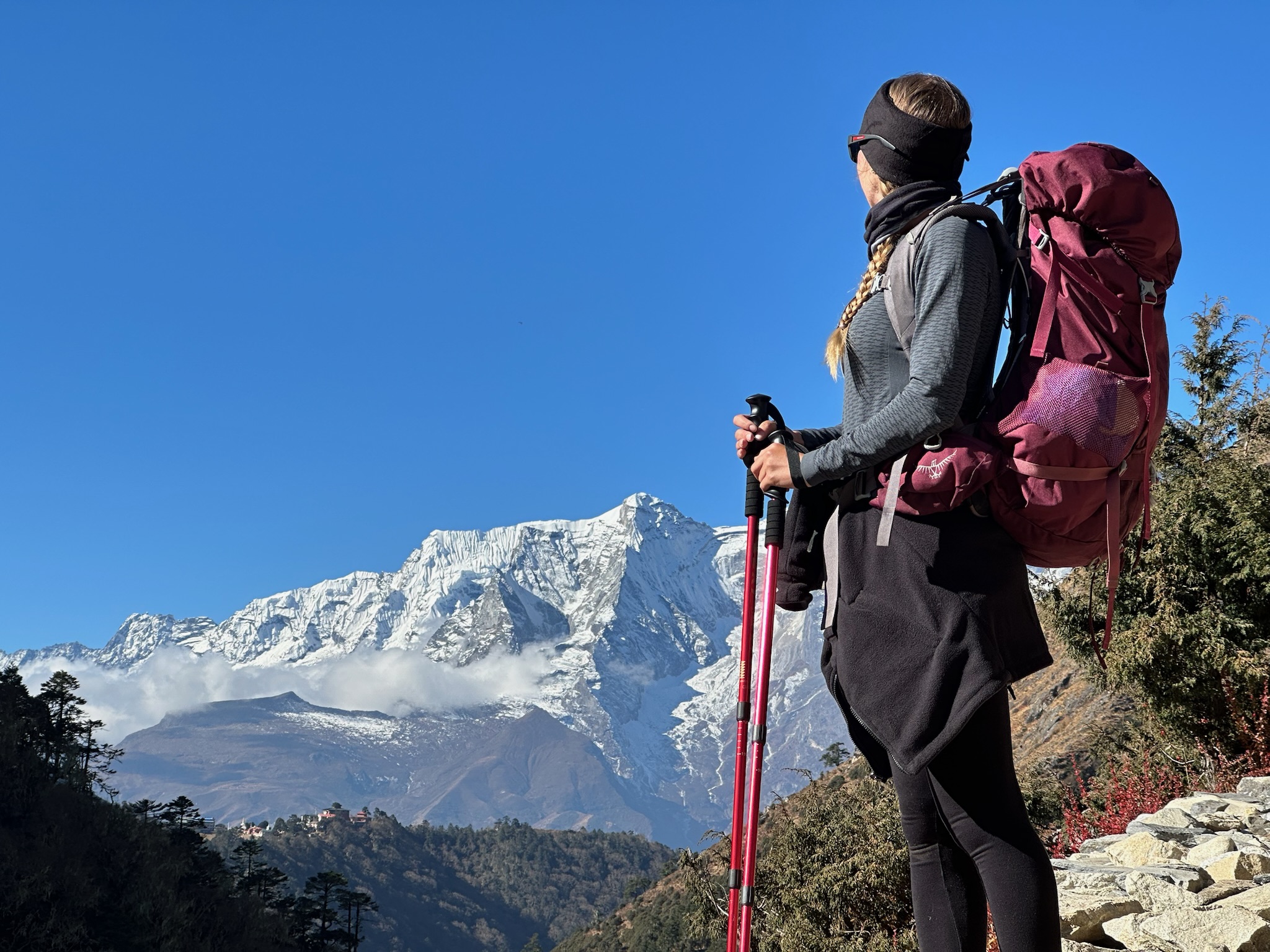
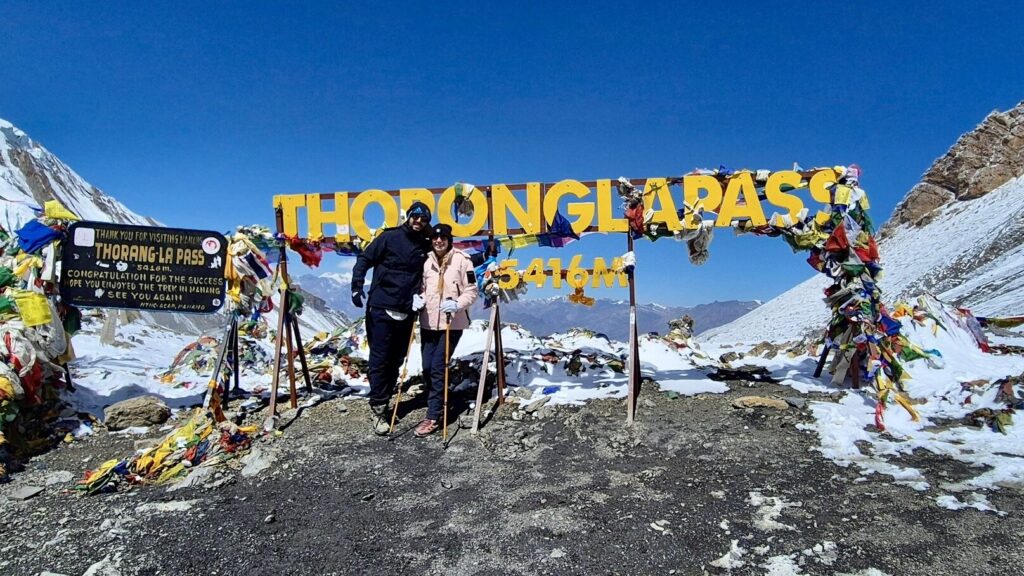
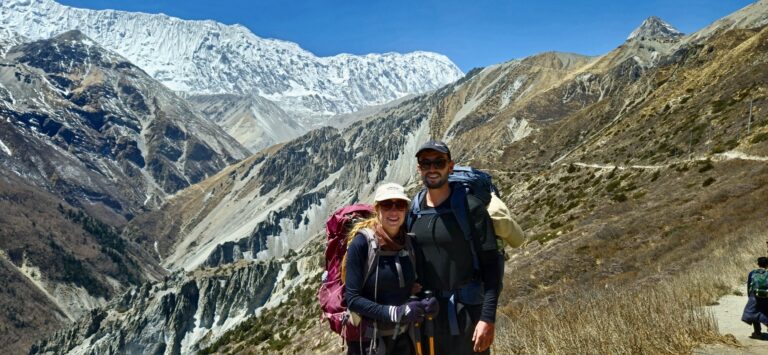
We have spent several months travelling in Nepal and have trekked the Annapurna Circuit, to Everest Base Camp and to Poon Hill among other routes.
You can find our videos here.
Along the way, we repeatedly noticed how demanding altitude can be on the body – and unfortunately also saw other hikers become very unwell.
So, first of all: Altitude sickness is no joke.
What exactly is altitude sickness?
A little theory to begin with: the higher you go, the lower the air pressure, and therefore the less oxygen is available to your body. Your body needs time to adapt to the altitude.
Typical symptoms of acute mountain sickness (AMS) include headache, dizziness, nausea, loss of appetite, fatigue or difficulty sleeping. In particular, these symptoms at high altitude should not simply be dismissed as ordinary tiredness from hiking.
We have seen people forced to abandon their trek because of the altitude and even be evacuated by helicopter because they were seriously unwell. Severe altitude sickness can be life-threatening and should never be underestimated.
Can anyone get altitude sickness?
Yes – and we think that is often underestimated.
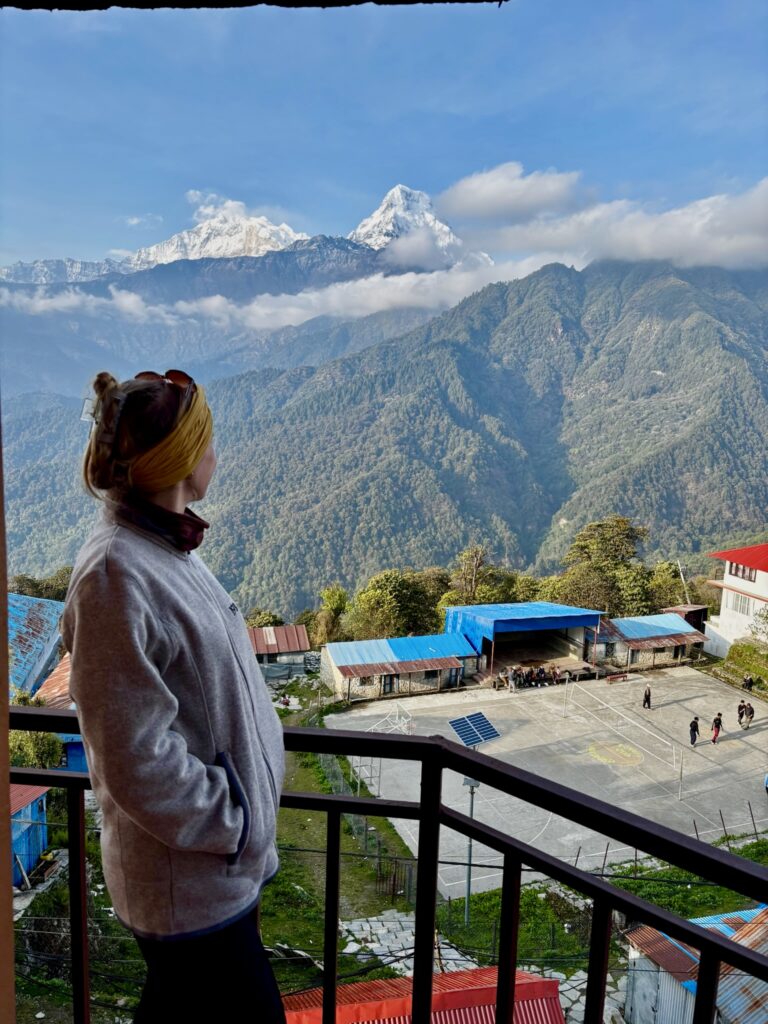
Even very fit, experienced hikers can develop altitude sickness. It is not only about fitness, but above all how quickly you ascend and how well your body can adapt to altitude. Having had no problems on a previous trek does not automatically protect you next time.
Our treks in Nepal taught us: Your own pace matters more than anyone else's.
At 4,000 or 5,000 metres, even a normally easy trail can suddenly feel completely different.
How can you help prevent altitude sickness?
The most important rule is quite simple: Ascend slowly and give your body time.
Our five main tips from our experiences in Nepal:
1. Do not gain altitude too quickly
Especially above around 3,000 metres, sleeping altitude should increase only slowly. Additional acclimatisation days can make a big difference.
2. “Climb high, sleep low”
You hear this principle repeatedly while trekking: hike higher during the day, then sleep a little lower. This is why many well-known routes include acclimatisation days, when you might climb to a higher viewpoint before returning to lower accommodation.
3. Drink enough and listen to your body
Staying hydrated is important, but more is not automatically better. It is even more important to pay attention to your body's warning signs. Take headaches, nausea or unusual exhaustion seriously rather than trying to walk them off.
4. Allow time to rest
For us, this is one of the most important points. Do not plan your route too tightly!
We repeatedly met hikers with very tight schedules: “The Annapurna Circuit takes X days” or “I have to reach Everest Base Camp in X days.”
The problem is: what happens if your body needs an extra acclimatisation day? Or you need a day off?
Especially on treks with a fixed destination – a base camp, high pass or particular lake – it is easy to feel pressure to reach that goal at all costs. That pressure can be dangerous.
Instead, build in a spare day or even several. The Himalayas will still be there.
5. Small aids and local tips
Along the main trekking routes, you will also be offered various products claimed to help with altitude problems. One example is garlic soup, which is often recommended in Nepal's mountain regions. Some locals swear by it, and we repeatedly saw it on menus and had it on our plates during our treks.
There are also over-the-counter products described as oxygen tablets or oxygen products, which some travellers told us had helped them.
We would make a very clear distinction here: these are personal experiences and local recommendations, not medical advice. We cannot assess whether or how such products actually work. If you want information about medical prevention or medication, discuss it with a healthcare professional before your trip.
What should you do if you develop altitude sickness?
The key principle is: Do not ascend further if symptoms are worsening; descend if in doubt.
With mild symptoms, you should initially remain at your current altitude, rest and monitor how your condition develops. Worsening symptoms or signs such as breathlessness at rest, confusion, difficulty walking or severe neurological symptoms are a medical emergency.
Then the rule is: Descend and seek medical help. With severe altitude sickness, prompt descent is one of the most important measures.
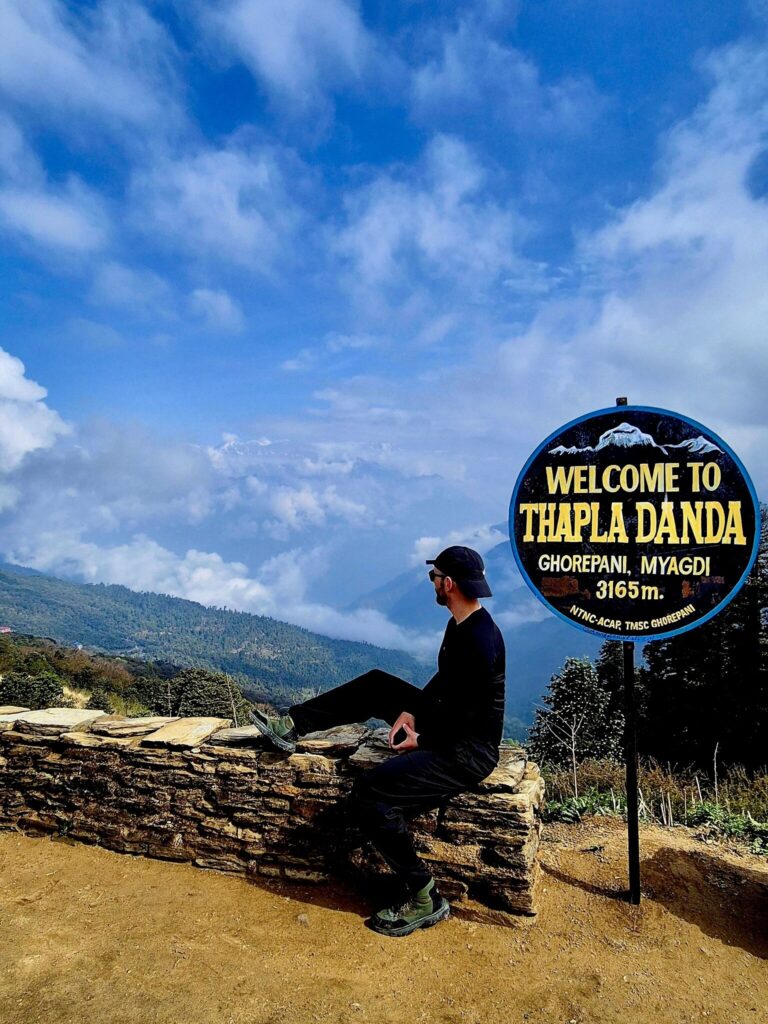
That is why, when planning, remember that a trek is not only about beautiful scenery and great photos. At high altitude, a person's condition can sometimes change very quickly.
Our main lesson from several treks in Nepal
For us, the main lesson is clear: You cannot trick altitude.
However fit or well prepared you are, your body ultimately determines how quickly you can acclimatise.
For a trek in the Himalayas, we would therefore always allow more time than the route itself requires. An extra day for acclimatisation, rest or simply as a buffer can be invaluable.
Above all, do not let a booked return flight, fixed itinerary or determination to reach a base camp or particular pass pressure you.
These are our personal experiences and impressions from several stays and treks in Nepal, and they do not replace medical advice. Research thoroughly before your trip, listen to your body and take responsibility for your own health.
Because, for us: The Himalayas will still be there – your health should always matter more than the next milestone.
Ihr interessiert euch für Nepal oder plant schon eure Reise? In unserem kostenlosen Nepal-Guide findet ihr Tipps für eure Planung. Kostenlosen Nepal-Guide als PDF öffnen
Our videos
-
Streetfood in Delhi: 10 Highlights unserer Food-Tour
Von Chole Bhature und Parathas bis zu würzigem Chaat: Dieser…
-
Hoi An Vietnam – Altstadt, Laternen und unsere Erfahrungen
Hoi An zwischen historischen Gassen und Laternenbooten: unser erster Überblick…
-
Jim Corbett National Park – Safari in India
Book a Jim Corbett safari yourself: official website, safari zones, costs, booking instructions…
-
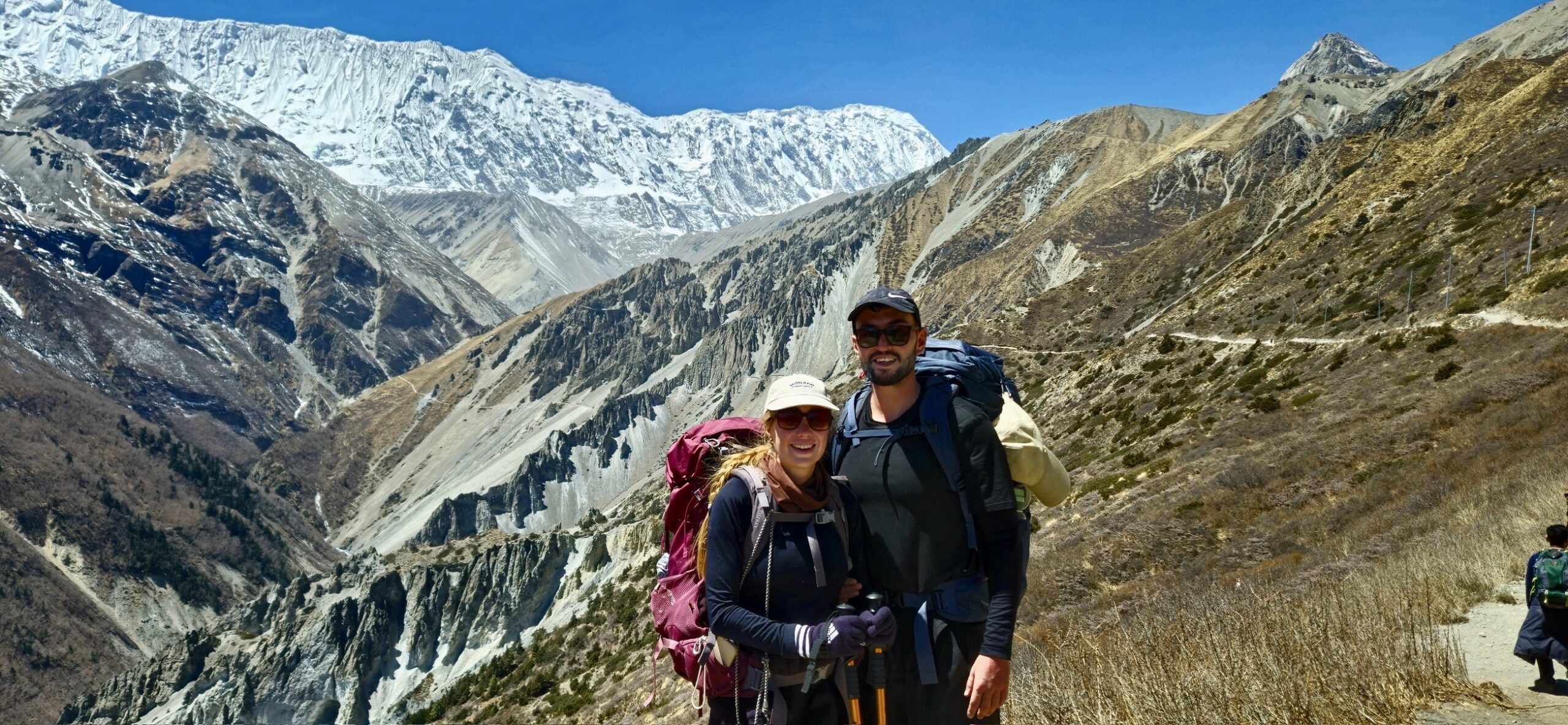
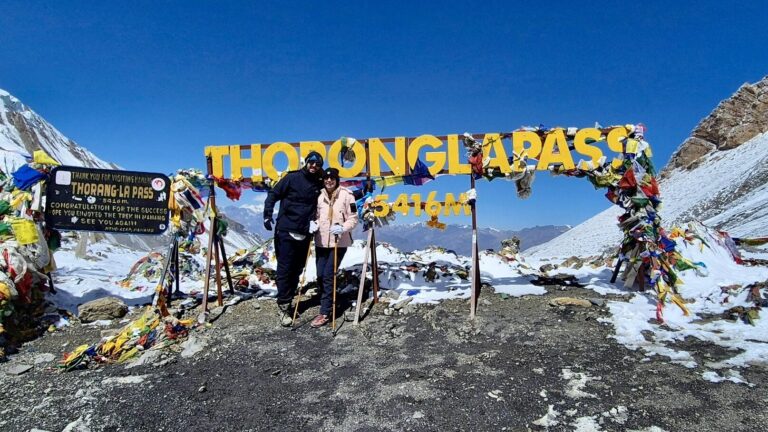
Annapurna-Runde in 13 Tagen: Unsere Etappen mit Tilicho Lake und Thorong La
Von warmen Tälern zum Thorong La auf 5.416 Metern: San…
-
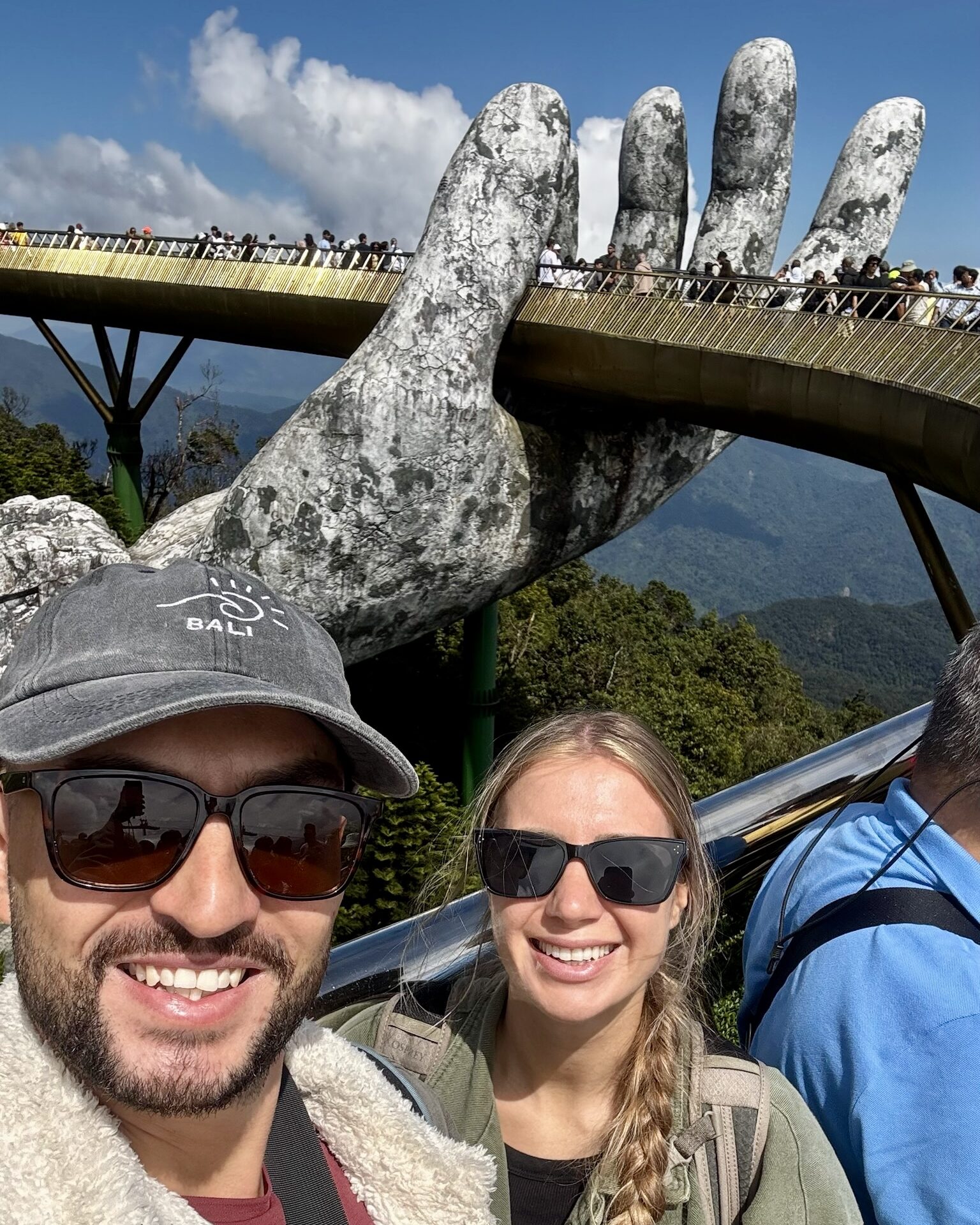
Bà Nà Hills: our experiences of the Golden Bridge & French Village
Bà Nà Hills near Da Nang: our experiences of the Golden…
-
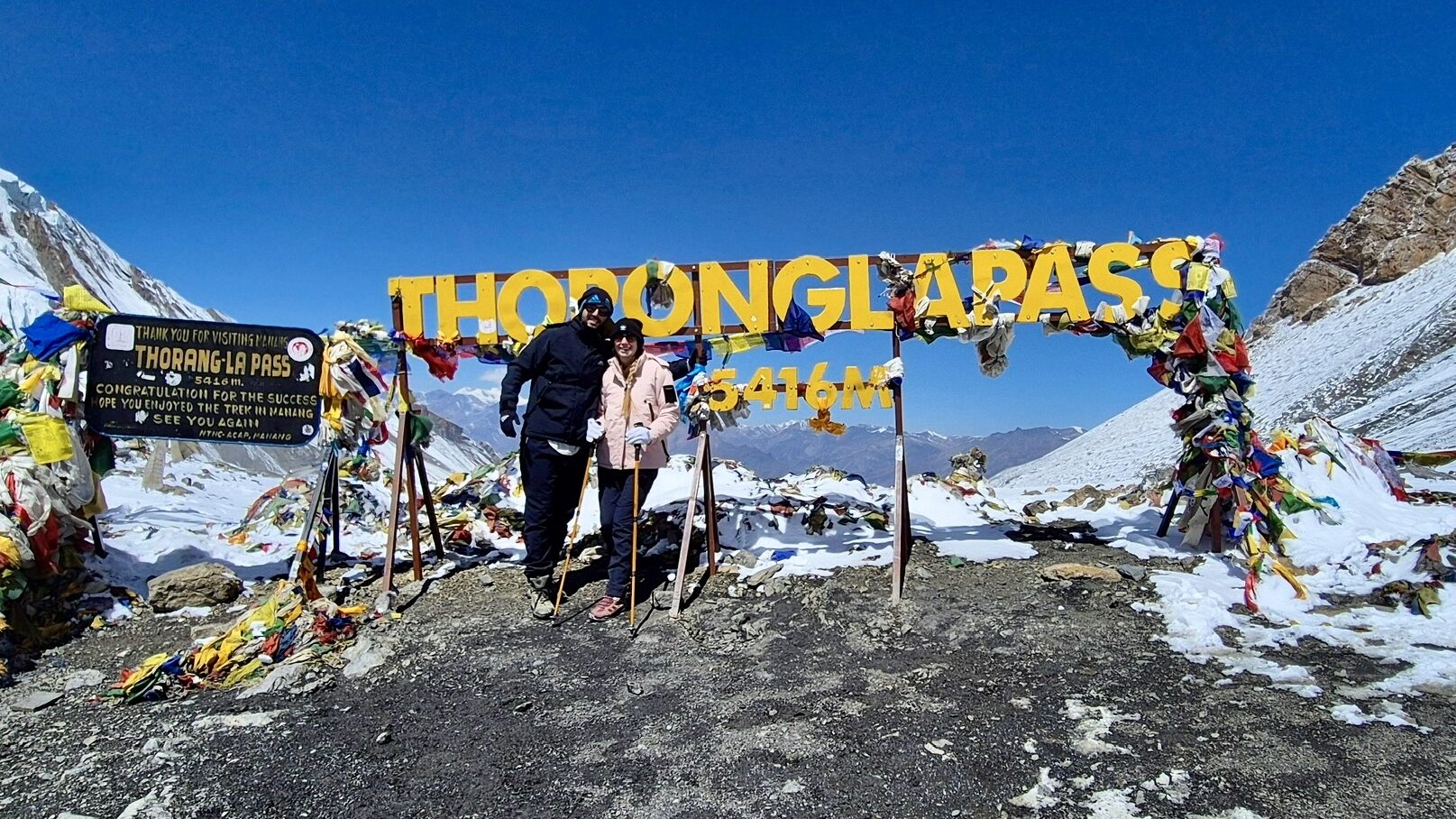
Thorong La Pass: what does the highest point of the Annapurna Circuit feel like?
What does the Thorong La Pass at 5,416 metres…


Leave a Reply